
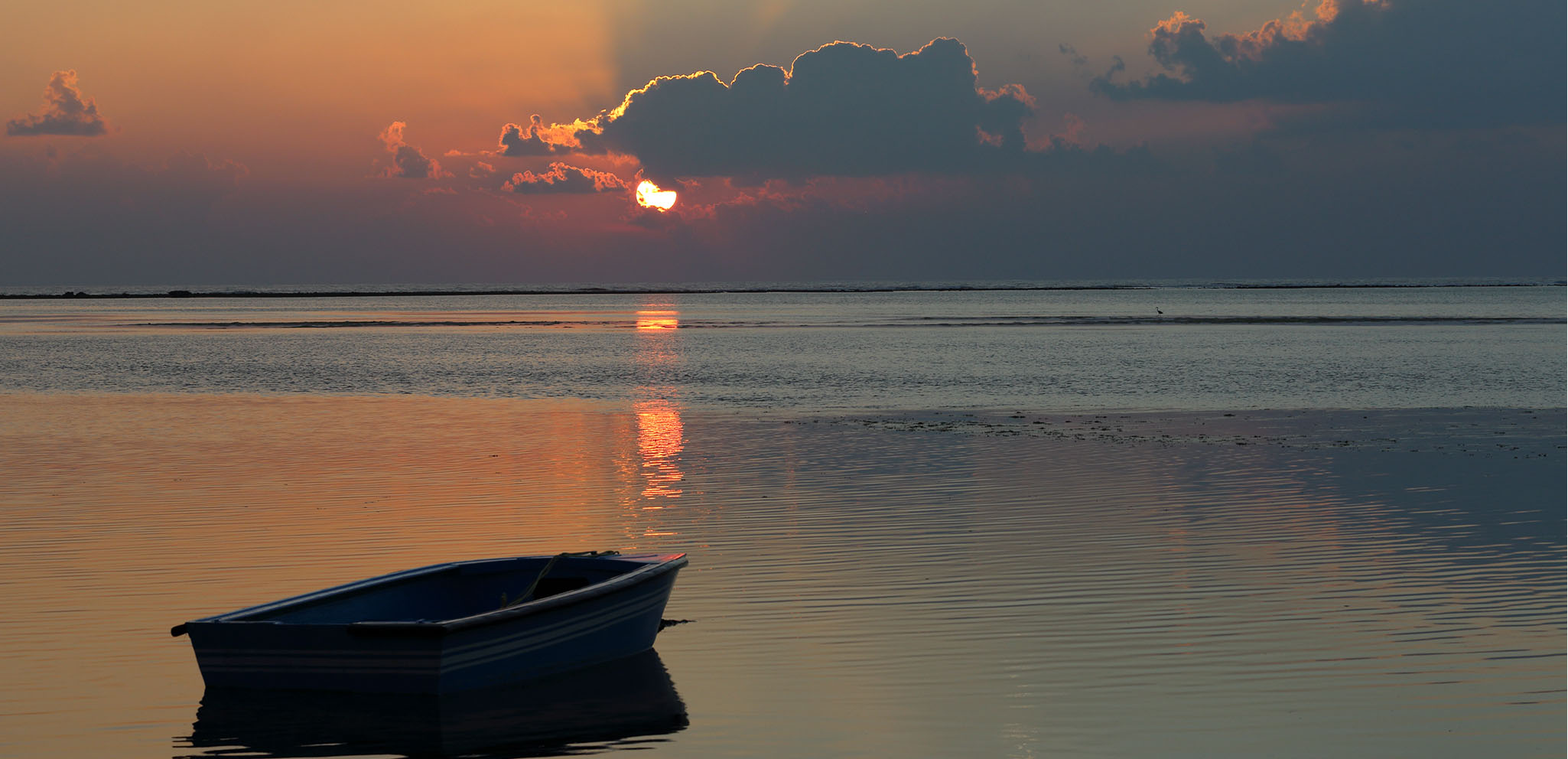
Laskhadweep is India’s smallest beautiful and tropical union territory. Here you can visit multiple islands and beaches plus view colourful fishes with coral reefs and enjoy a peaceful environment. As well as have fun with beach activities involving snorkelling, scuba diving, glass bottom boat ride, kayaking and more. However changing weather of Lakshadweep can affect everything from water sports to sightseeing, ferry transfers and outdoor activities. This is why choosing the Best Time To Visit Lakshadweep is also essential for a perfect Lakshadweep voyage experience. In addition if you are planning a relaxing beach holiday, an adventurous diving trip or a romantic island tour. Must understand the weather by month as it will help you to plan a better vacation. Here is a complete guide to Lakshadweep seasons, climate and the best months for your island holiday.
Which Best Time To Visit Lakshadweep?

The prime season to tour Lakshadweep is winter, from October to March. During these months the climate is usually travel friendly, also skies are clear and the sea surroundings are more Best Time To Visit Lakshadweep and water games. During these months day-time temperatures are usually relaxed, while evening can feel a slight cool compared to the warm months. In addition, the winter season is ideal to discover beaches, lakes, and amazing island attractions.
Additionally winter is also a fine time for actions such as:
- Scuba diving plus snorkeling
- Kayaking or boating
- Island visits
- Glass bottom boat rides
- Beach walks and photography
Moreover, for the first time Lakshadweep vacation October to March is typically the safest choice for a relaxed and activity-included trip.
How Is Lakshadweep Weather In Winter Months?
Lakshadweep weather in winter feels warm and nice for outdoor explorations. Additionally where different destinations feel extremely cold temperatures, these islands stay comfortably warm throughout the season. The Lakshadweep Temperature usually lasts around the mid 20s to low 30s°C while conditions can vary between island and individual days. The around sea also helps to calm temperatures. December plus January are the Best Month To Visit Lakshadweep Island, especially lovely for tourists observing for a peaceful beach holiday. Because winter is popular, plus it is wise to arrange accommodation, permits, transportation, and activities well in advance.
Is Summer A Good Time To Visit Lakshadweep?
The summer month around April to May, can still be considered for a Lakshadweep trip. But it is less comfortable than the winter season. Because the temperatures rise, and humidity can make afternoons feel highly warmer. While the summer can be the Best Season To Visit Lakshadweep for travelers prefer less crowded destinations for holiday. In addition early mornings and late afternoons can also be enjoyable for beach activities.
If you visit throughout summer:
- Set up outdoor actions during cooler parts of the day.
- Be hydrated and bring a sun screen.
- Wear light, breathable outfits.
- Keep your schedule flexible in situations of changing sea conditions.
This is good for those travelers who want pleasant weather and wide water activities, however winter remains the better option.
What Is Lakshadweep Climate During Monsoon?
The Lakshadweep monsoon period usually starts from June to September and also creates higher rainfall, harder winds and tougher oceans. During these months weather conditions also change quickly, which may affect boat transfers and external activities.
Additionally the islands become lush and beautiful green during this period, making islands a different type of charm. However, monsoon is usually not the preferred season for the Best Time To Go To Lakshadweepa for standard beach vacation.
Because the heavy rain and rough seas can disturb ferry services, water sports, sightseeing plans, and inter islands travel. You must verify the official tour with weather updates before making a reservation. Whereas if your main objective is water activities including, scuba diving, snorkelling, or peaceful island hopping, it is better to avoid the peak monsoon months.
Which Months Offer Clear Skies In Lakshadweep?
If you want to stay in the islands throughout the clear skies in Lakshadweep. The month from November to March is generally known as the most beneficial time. These months normally offer a better environment for enjoying the beaches and viewing the brilliant colours of the lagoons.
While January and February are mainly nice for capturing pictures, sightseeing, and water based experiences. Additionally radiant sunshine forms the coral islands and shallow lagoons seem particularly vibrant.
October can also be a good option as the monsoon ends, while weather conditions can change. Always check weather forecasts near to your travel dates rather than trusting entirely on seasonal patterns.
What Is Peak Tourist Season In Lakshadweep?
The top tourist period in Lakshadweep is generally from December to February. Because during these months more people visit the island for tropical getaway. While Christmas, New Year, and winter holidays are also busy. Due to the high tourist-season, demands for flight tickets, accommodation, permits, and tour packages, can increase the whole tour price. Whereas advance booking can help you ensure your preferred travel dates and avoid last minute difficulties. In addition to getting the Best Time To Visit Lakshadweep with a balance between favorable weather and lighter crowds. October to November and March can be worth visiting.
FAQs
Avoid outings for Lakshadweep through the huge rainy months, primarily from June to September. Heavy rain, strong winds and rough seas can delay ship services plus water sports, and touring.
Yes, off period tours to Lakshadweep can be extra affordable than top season trips. Plus hotels, resorts, and tour packages offer better deals since tourist visits are lower.
November to February is recommended time for beach water activities. You can enjoy various types of water sports involving deep-sea dive, crystal bottom boat ride, kayaking, jet skiing and parasailing.